

Kitchen Sink and Faucet Factory – OEM & ODM Tailored to Your Specs

Six Advantages of Yalan Factory

Driven by Innovation

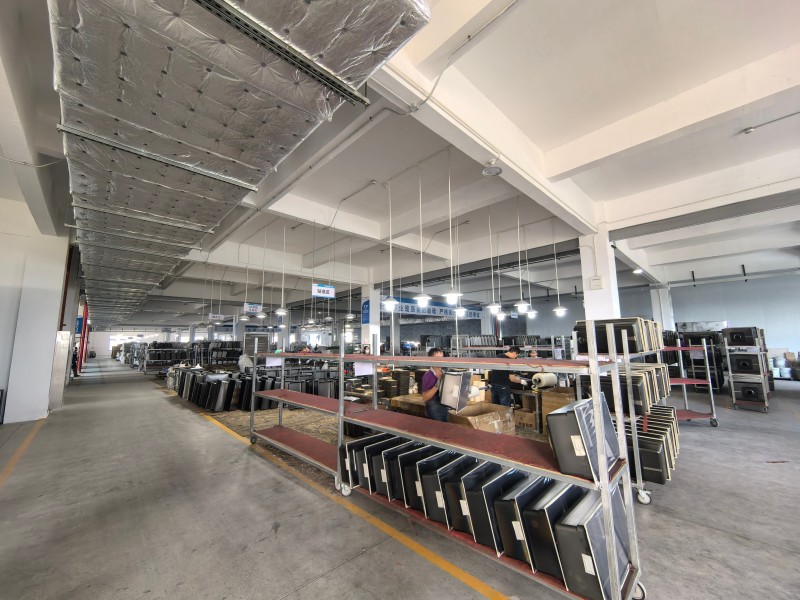
Robust Manufacturing Power

Intelligent Warehousing

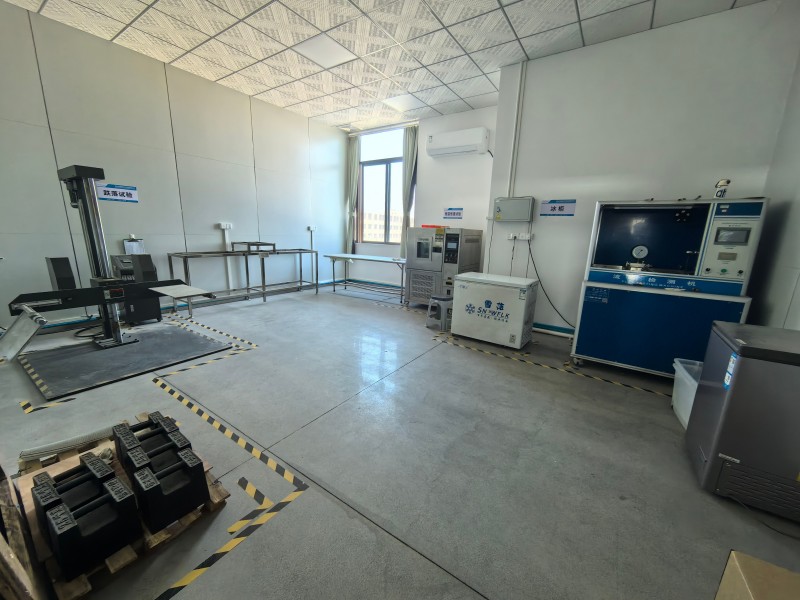
Stringent Quality Assurance

Global Success Stories

Fully Customized
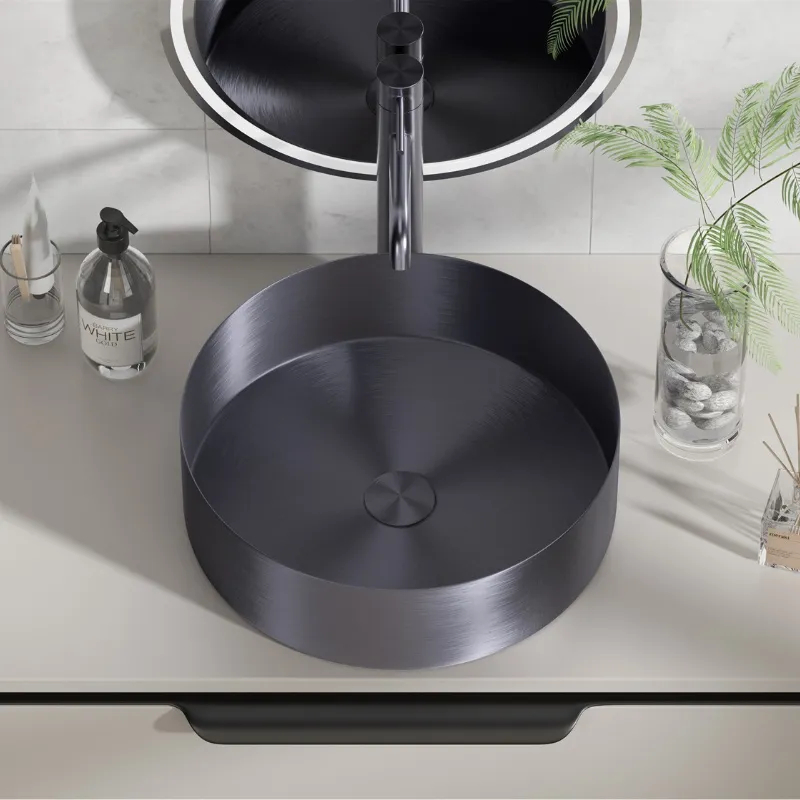
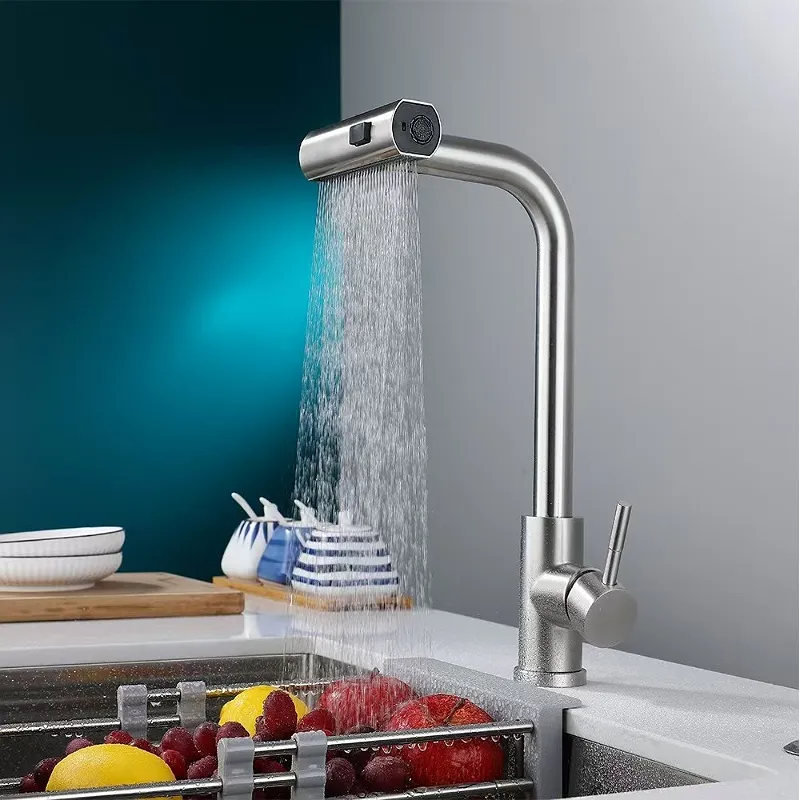

Brief Introduction of Our Factory
What Our Partners Say
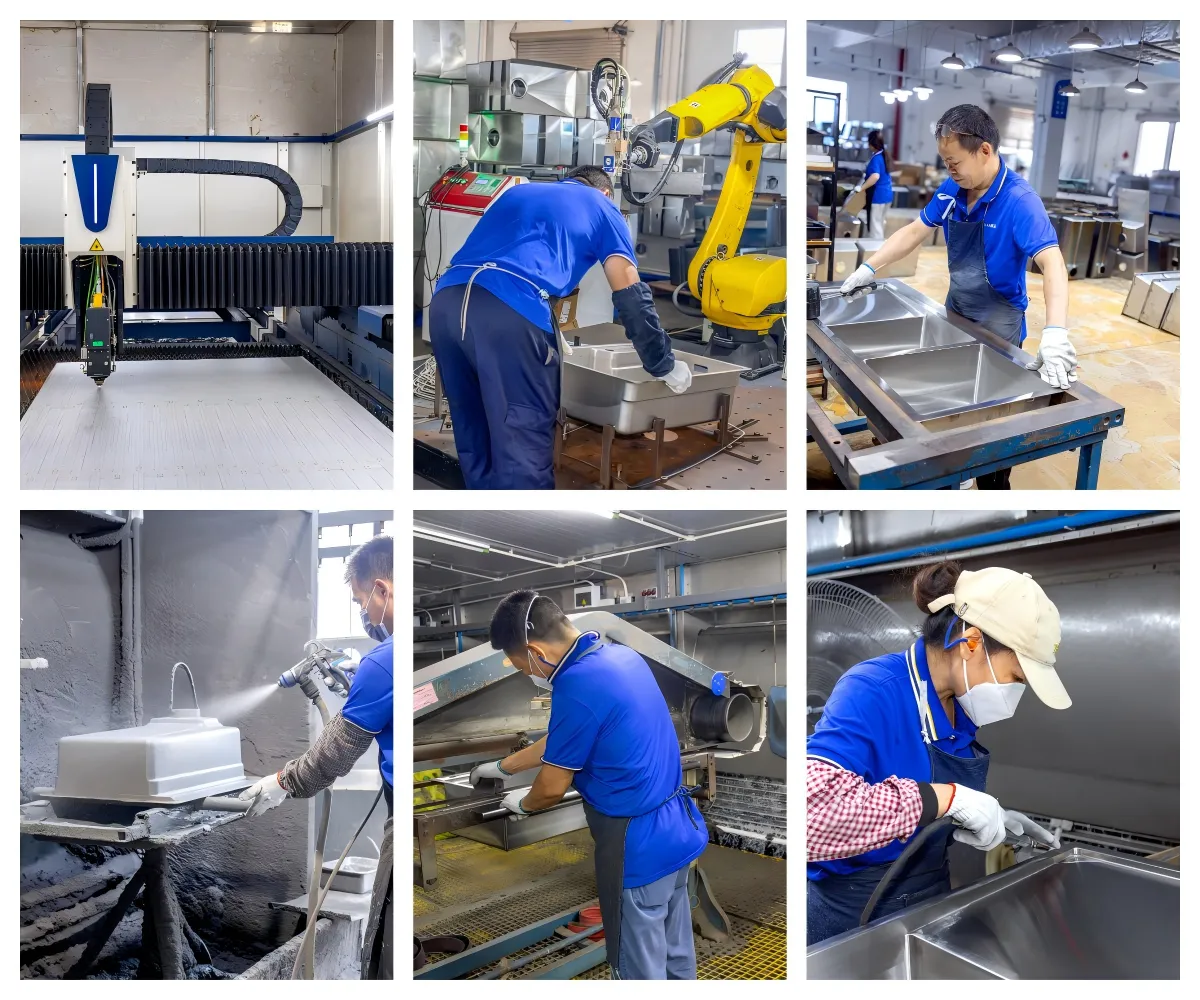
Our Handmade Sink Manufacturing Process
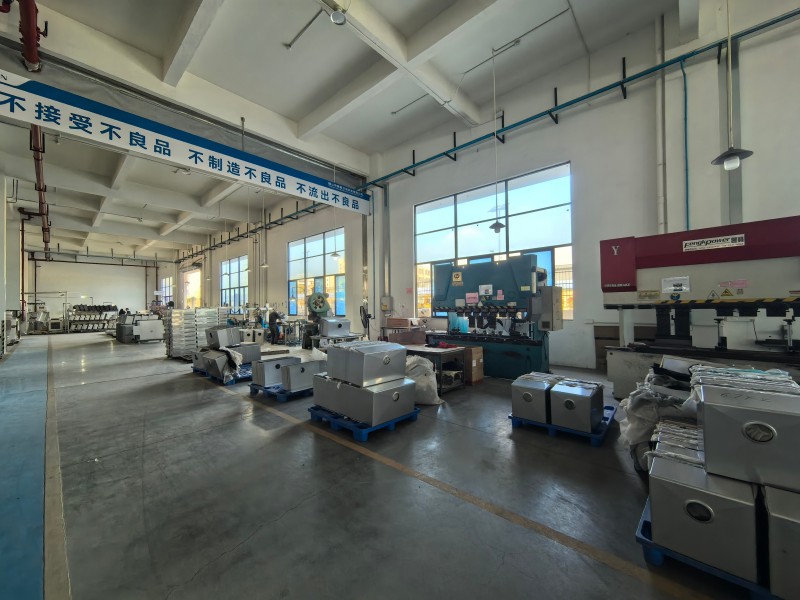
2.Precision Bending: CNC bending machines precisely bend the cut sheets into shape, achieving small radius angles down to right angles, resulting in clean, sharp lines that showcase the unique geometric beauty of a handcrafted sink.
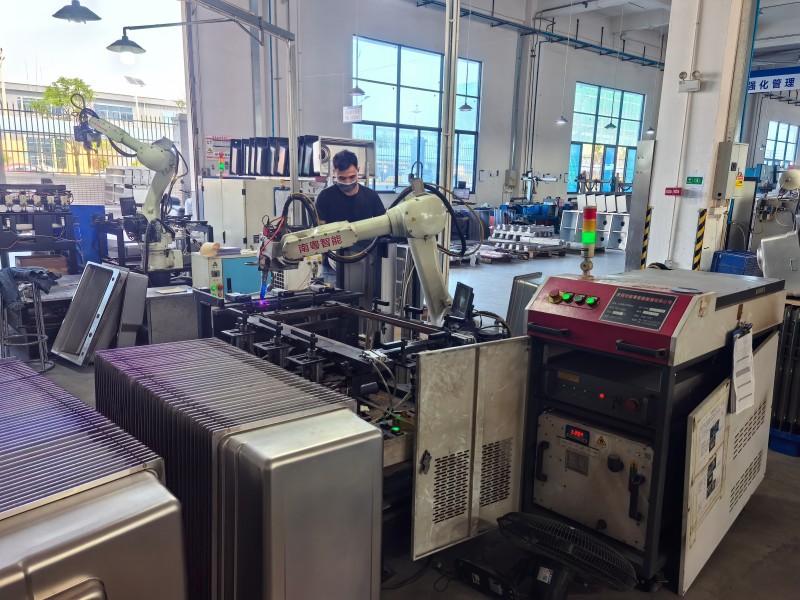
3.Laser Welding: Using laser welding or argon arc welding, the four bent steel plates are seamlessly joined. The weld bead is smooth and deeply penetrated, ensuring a robust and leak-proof sink structure.
4.Grinding and Polishing: The weld seams undergo multiple rounds of fine grinding to remove weld marks and create a smooth surface transition. A brushed finish then completes the process, resulting in a delicate and uniform metallic texture that is both aesthetically pleasing and scratch-resistant.
5.Surface Treatment: Optional nano-coating process forms a hydrophobic and oleophobic protective layer on the surface, making it difficult for oil stains to adhere and simplifying daily cleaning.
6.Comprehensive Quality Inspection: Every finished product undergoes rigorous dimensional inspection, leak testing, and appearance inspection to ensure that every sink delivered to you is flawless.
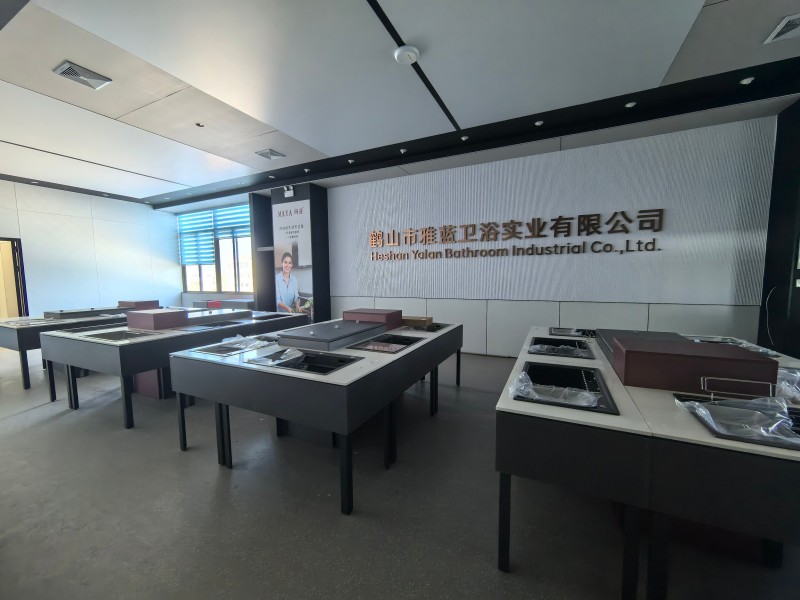
Our Factory

After Sales Support
▪ Help Yourself, Instantly: Our online tools and detailed FAQs are available around the clock for immediate solutions.
▪ Expert Problem-Solving: When you need a deeper solution, we don’t just give answers—we collaborate with you to find the best path forward.
FAQs
A handmade sink isn’t actually hammered out by hand. Instead, it’s made by laser-cutting and bending 304 stainless steel sheets, then joining them together using laser welding or argon arc welding. A regular drawn sink, on the other hand, is made by stamping and stretching a single piece of steel sheet using a mold.
The core differences are:
Thickness: handmade sinks typically use steel sheets thicker than 1.2mm, with uniform thickness; drawn sinks have thinner edges, usually only 0.6-0.8mm.
Edges (R-angle): handmade sinks can have smaller R-angles or even right angles, resulting in sharper lines; drawn sinks have more rounded edges.
Appearance: Welding marks are visible on the back of a handmade sink, while a drawn sink has a smooth, one-piece design.
The higher price of handmade sinks is mainly due to three factors: craftsmanship, materials, and the user experience.
Advantages include:
Durable and Sturdy: Made of 1.0mm-1.5mm 304 stainless steel, it boasts strong impact resistance, is not easily deformed, and has a lifespan of over 10 years.
More Aesthetically Pleasing: The clean, right-angled lines align with modern aesthetics, making it suitable for undermount installation and seamlessly integrating with the countertop.
Deeper Sink: Typically 200-220mm or deeper, it effectively prevents water splashing and easily accommodates large pots and pans.
Healthy and Environmentally Friendly: Made of food-grade 304 stainless steel, it is lead-free, non-toxic, and will not leach harmful substances.
The higher price is due to the thicker materials and more complex manufacturing process (welding, grinding, and other manual processes), resulting in a significantly higher cost than machine-stamped stretch sinks.
No, thicker isn’t always better, but handmade sinks are indeed known for their sturdiness. Common thicknesses for handmade sinks are between 1.0mm and 1.5mm, with around 1.2mm considered a good quality choice.
It’s important to note:
Distinguish between “sink body thickness” and “frame thickness.” Some products on the market have 3mm thick frames, but the actual sink body thickness is only 0.6mm or even 0.4mm, which is very thin.
When purchasing, ask about the actual thickness of the sink body, not just the frame thickness.
Sinks thinner than 0.8mm are prone to deformation; choose with caution.
High-quality 304 stainless steel handmade sinks are inherently highly corrosion-resistant and will not rust under normal use. However, the following situations may cause “surface rust” to appear:
Strong acids, alkalis, or other chemicals adhering to the sink surface during the renovation process.
Calcium and magnesium mineral deposits from tap water, or residual water containing impurities, can remain on the surface for extended periods.
Daily maintenance suggestions:
Use a soft cloth or sponge dampened with a neutral detergent (such as dish soap) to gently wipe the surface. Avoid using steel wool or abrasive cleaners to prevent scratching.
Slight surface rust can be removed with a scouring pad and toothpaste, scrubbing along the grain.
Regularly dry weld seams to prevent scale buildup.
For stubborn grease, sprinkle a small amount of baking soda to absorb the grease, then wipe with a damp cloth.
The right angles of handmade sinks do require more careful cleaning than the rounded corners of stretched sinks. However, this doesn’t mean they are difficult to maintain:
Surface Treatment: High-quality handmade sinks use a brushed finish, resulting in a smooth and delicate surface that resists oil and dirt.
Cleaning Method: Simply wipe with a soft cloth or sponge dampened with a neutral detergent; corners can be gently scrubbed with a soft toothbrush dipped in baking soda.
Nano Coating: Some handmade sinks have a nano coating, offering better oil and water resistance and making cleaning easier.
Overall, as long as you wipe them clean promptly after daily use, the right angles will not be a cleaning challenge.
Material:
Look for 304 stainless steel (marked “SUS304”) and avoid purchasing 201 stainless steel—201 contains manganese, has poor corrosion resistance, and is prone to rust.
A simple magnet test can be used: 201 stainless steel will be attracted to a magnet, while 304 will not.
Regarding craftsmanship:
Check the welding quality—the weld should be flat, smooth, tight, without any incomplete welds or burrs.
Handmade sinks often have brushed or sandblasted textures on the inside, while machine-made sinks are mostly smooth.
Regarding size:
A large single sink is recommended for greater practicality; it can easily accommodate pots, pans, and dishes.
The recommended depth is around 200-220mm. Too shallow and water will splash easily; too deep and it will require bending over, making operation inconvenient.
Blog
- What Brand of Sinks Are the Best?
 Compare BLANCO, Kohler and Franke by purchasing use case, then assess materials, installation fit, quality evidence and supplier terms for branded or private-label kitchen sink ranges.
- Single vs Double Kitchen Sinks: Why Stainless Steel Is the Clear Winner for Modern KitchensThe kitchen sink is the most frequently used fixture in any home—yet it remains one of the most overlooked decisions in kitchen design. Choosing between a single-basin and a double-basin sink, and selecting the right material, can transform daily cooking and cleaning from a chore into a seamless experience. This article provides a comprehensive comparison of single versus double kitchen sinks.
- The Art of Never Rust: A Deep Dive into Premium Stainless Steel FaucetsWhen your fingertips glide across the smooth metallic surface of a faucet, that cool silver gleam resembles moonlight spilling down.
- Kitchen Sink Selection: 6 Essential Rules for a Smart BuyThe sink is the core battlefield of the kitchen – you wash vegetables, scrub pots, drain water, and dispose of food scraps every single day. It endures higher‑frequency “heavy use” than almost any other appliance in your kitchen. Choose wrongly, and it’s not just a minor annoyance – it’s a daily torment: pots that don’t fit, water splashing everywhere, hard‑to‑clean corners that breed grime, or even water damage that rots your cabinet from a leaking countertop.